September 19, 2009

What We Have on Hand


As I've been stocking up our pantry and freezer for winter, I've been thinking about all the good things we will get to eat when everything outside is frozen and the farmer's market is long gone. Most of all, I want to make sure that we do actually eat it all and use what is on hand in our cupboards. Lately, with this great market right around the corner I have been guilty of dashing out to buy extra ingredients to stay true to recipes or components of dinner. Sometimes you just can't make things without the essential ingredients, but I love the idea of being so well supplied that we can open the pantry or the freezer and see what we should make with what we have on hand.

I try to keep stocked with some of the staples we use most often and my cooking style tends towards modifying recipes with the ingredients I have rather than dashing out quite so much. I've been inspired to read recipes by Melissa Clark and Mark Bittman in the New York Times in which the authors pull together quick and satisfying meals with what they have on hand. It seems somehow rewarding to see them publishing recipes that came from something they threw together for a weeknight meal. Cooking at home of course saves money and allows you to eat better and it can be really relaxing to put something together that doesn't require a trip to the store (of course many people are probably better than I am at planning ahead with grocery shopping!).

The other night I realized I was hungry and, in looking through the cupboard I decided to make a batch of polenta. Its not the fastest meal possible, but I also had some slow roasted tomatoes and ricotta cheese and greens which I thought would be fabulous on polenta. The recipe that I use is a combination of a classic polenta recipe and a vegan one which includes quinoa, adding protien, texture and flavor. The recipe can, of course, be modified depending on what you have available and it can be used in many different ways: as a soft, porridge style polenta, a cooled and then pan fried version, or baked in the oven. All of these versions can be covered with toppings ranging from grilled vegetables, sauces, cheeses, sausage or other meats or whatever you have available.

Quinoa and Corn Grits Polenta

There are a lot of options here: You can make a recipe without dairy, adding toasted sunflower seeds instead of cheese, or you can use some milk and cheese to the recipe for a slightly richer taste. Both ways are delicious!
1 Tablespoon Olive Oil
1/2 yellow onion, diced
2 cloves minced garlic
3 cups of water OR 1 3/4 cups water and 1 1/4 cups milk
1/2 cup quinoa, rinsed
1/2 cup corn grits or polenta (basically the same thing)
1 teaspoon salt
1 teaspoon black pepper
1/3 cup grated parmesan cheese and or 1/3 cup toasted sunflower seeds

Heat a sauce pan to medium high. Add the oil, let it heat up, then add the onion. Cook the onion until it is fragrant, then add the garlic. Reduce heat if necessary to cook until transparent, about 5 minutes. Add the water or milk and water. Stir once or twice and allow it to come to a boil. Add the polenta and quinoa, reduce the heat to medium low. Stir frequently until the quinoa is cooked and the mixture begins to pull away from the edges of the pot while stirring (about 15 minutes). Remove from heat and add salt and pepper, cheese and or sunflower seeds.

At this point you can spread the polenta onto an oiled sheet pan and allow to cool until firm. Once cooled you can cut it into pieces and gently crisp it on a skillet in olive oil. You can also cover the cooled polenta with sauce, cheese and other toppings and bake in the oven. Or you can eat the polenta while it is still soft and hot with whatever toppings or accompaniments appeal to you.

September 10, 2009

These Beautiful Days


I arrived early at the farmer's market on Wednesday morning. The air was salty and quiet, except for the screeching of seagulls. Shoppers here and there perused the wares, only a hint of the bustling community event that Monument Square would become as the day went on. Tables were laden with colorful fruits and vegetables, nearly irresistible but today, I was on a mission. I had a box of canning tomatoes waiting for me, large pots on the stove, and empty mason jars soon to be filled. I stopped to buy some plums for making spiced plums in honey, and then grabbed a crate full of tomatoes of all shapes, sizes and stages of ripening. It was so heavy I could hardly carry it to the car, but this year I didn't grow any of my own, so I considered myself lucky to be lugging this box of treasure.

I had been perusing The Ball Complete Book of Home Preserving for several days, eagerly turning the pages and dreaming of what might be stored in my pantry like someone else might look through a fashion magazine in hopes of adding to their wardrobe. I'm not sure if its all the canning parties I have been reading about or other people's stories, but I have been so looking forward to putting up some of the bounty of these beautiful days.

While I learned a lot about cooking from my mom and step-mother, I don't ever remember them doing any canning. My first experience was canning jam with some friends in Vermont and for the past several years I have been experimenting with preserving different fruits and veggies. I can't wait until I have my own harvest to keep for the winter, but for now its been great to pick-my-own and buy from local farmers.

I made an initial dent in my huge crate of tomatoes by canning salsa. I chopped and chopped tomatoes, onions, peppers, and cilantro. I stirred and added spices and salt. I can't say exactly what it is, its not magic, but there is something so rewarding and exciting about this hard work over a hot stove. Around here, they say firewood warms you twice (at least) from stacking to burning. In the same way, canning feeds me so many times. The smells, tastes, textures and colors fill the kitchen on a warm sunny afternoon with an open window bringing a soft breeze. Later I will grab a jar from the cupboard and the tastes and smells will enter the kitchen again for a winter meal that will feed me and fill me with warmth beyond my belly. I can't explain why food is so much more than just something to assuage hunger or even provide a mouth-watering taste. Canning and preserving taps into connection: the all important element of food and eating. It brings a connection to the future and the past, to the people who grew the ingredients and those who will eat it, to those who prepare it and those who receive it.

Fresh Vegetable Salsa
Adapted from The Ball Complete Book of Home Preserving
For canning basics, check out: National Center for Home Food Preservation. You can adjust the amounts depending on what you have available and what you like in your salsa as long as you add enough vinegar to keep the acidity high enough for canning tomatoes.

Makes about ten 8-ounce jars or five pint jars

8 cups of chopped tomatoes
2 cups of chopped onions
2 cups of chopped bell peppers (any color)
jalapeno peppers to taste (depending on how spicy you like it)
4 cloves of garlic, chopped
1 cup of white vinegar (with 5% acidity)
1 cup finely chopped cilantro (add more or less to taste)
1 teaspoon salt
1/2 teaspoon of cumin

In a large stainless steel pot combine all ingredients. Bring to a boil over medium-high heat, stirring constantly. Reduce heat and boil gently, stirring frequently. Reduce heat and boil gently, stirring often, until thickened, about 30 minutes.

Prepare canning pot, jars and lids (for canning basics go here).

Ladle hot salsa into jars, leaving 1/2 inch head space. Wipe rim, center lid on jar, screw band down until it is finger tip tight.

Place jars in canner, making sure they are completely covered with water. Bring to a boil and process both 8-ounce and pint jars for 20 minutes.


September 8, 2009

Muffin Morning


I was going to start by saying, I love muffins. But it seemed a bit too obvious and perhaps overzealous and I began to think, do I? love muffins? I certainly like them a lot. They are a mainstay of my kitchen -- easy to mix up at the last minute, satisfying and warm for the morning. I tend to load them up with fruit and whole grains for a delicious, but also healthy breakfast bread. I've also noticed that people who don't do much baking are very impressed when greeted with freshly baked muffins in the morning.

But, I'm not sure if muffins can really be an object of love. Perhaps more of a gentle affection for something so reliable, sturdy, and dependable. Not that muffins can't be surprising or decadent (like these!), I guess I have just been making muffins for years and while I enjoy them in every way, they are more of a great old friend than a true love.

Nonetheless, I am very happy to have this friend and its many manifestations. Muffins make a great breakfast or a good snack for later, but again, I am stating the obvious. I will cut to the recipe, which is a new one I tried recently. I normally load my muffins up with fruit, but lacking that one day, I made these full of nuts and seeds and whole grains. They are truly sturdy and delicious and will keep you company without complaining or asking too much. In fact, they won't ask anything at all, just maybe a spread of butter or jam if you like that sort of thing.

Toasted Oatmeal-Oat Bran Muffins
Adapted from Mollie Katzen's Sunlight Cafe.

1 cup rolled oats
1/3 cup oat bran
1/3 cup minced walnuts, pecans or almonds
1/4 cup sunflower seeds
6 tablespoons light brown sugar
1 or 2 tablespoons granulated sugar (optional)
1 1/2 cups unbleached all purpose flower
3/4 teaspoons salt
1 1/2 teaspoons baking powder
1/8 teaspoon baking soda
1 cup buttermilk
2 large eggs
1 tablespoon vanilla extract
4 tablespoons unsalted butter, melted
1/4 cup raisins and 1/3 cup dried cranberries (optional)

Heat a medium-sized skillet (cast iron works well) over medium low. If your skillet is not season or has a tendency to stick, use a little non-stick spray. Add the oats, oat bran, nuts and seeds and toast them, stirring frequently, until they are light brown and smell nicely toasted. Its best to do this slowly and paying lots of attention so they don't burn. Add the brown sugar and granulated sugar (if using) at the very end so that it melts slightly. You can toast the nuts ahead of time and store them in an airtight container in the refrigerator.

Preheat the oven to 400 degrees and grease 8 or 9 muffin cups. Combine the rest of the dry ingredients and add the toasted nut mixture. Stir until well combined.

Measure the buttermilk into a bowl, add the eggs and vanilla and beat gently with a fork or whisk until smooth. Slowly pour this mixture, along with the melted butter and optional dried fruit, into the dry ingredients. Stir, making sure that all the dry ingredients are scraped up from the bottom, until all the dry ingredients are moistened. Do not over mix, a few lumps are okay.

Spoon the batter into the greased muffin cups, I usually fill them up to the top to get a good sized muffin, but you can make them less full if you want the muffins to be smaller. Bake for 20-25 minutes or until golden brown on top and a toothpick inserted into the center comes out clean. Remove the pan from the oven and the muffins from the pan and let cool on a rack for about 30 minutes before eating (if you can wait that long!).

September 4, 2009

Garden Morning

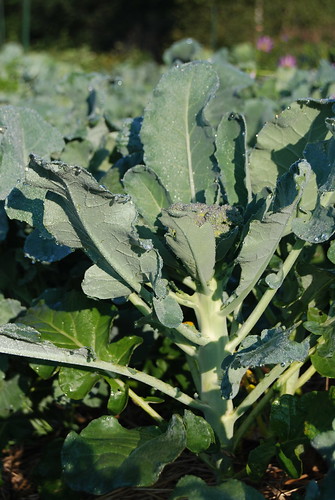
DSC_0036

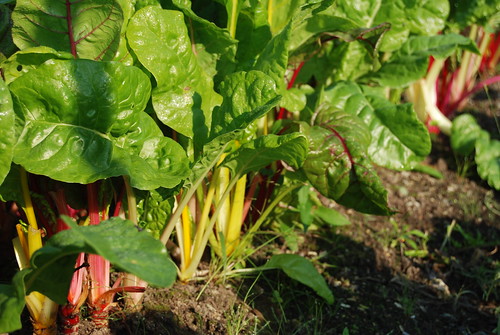
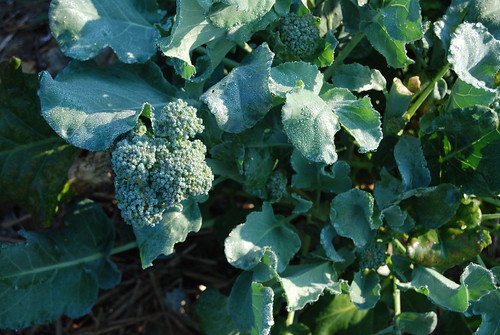
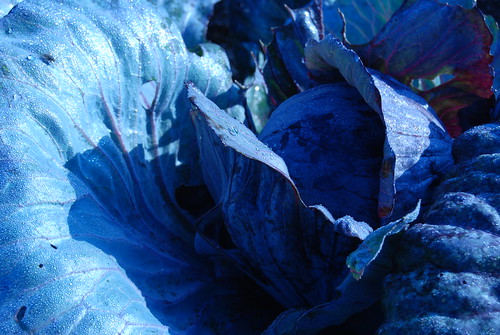
It was a cool morning in the community garden, the light of early fall, dew heavy. Except for the tomatoes which did not survive late blight, everything is growing well. There are so many obstacles and challenges -- excessive rain, insects and other hungry critters, weeds, diseases, then not enough rain. But its far from a fight. The plants do what they do best: grow and keep growing. We planted tiny brussels sprouts seedlings and eggplants that seemed like they would never get any bigger. We certainly lost a few, but now these tiny sprouts are tall and flourishing: the miracle of the seed continues.

DSC_0053

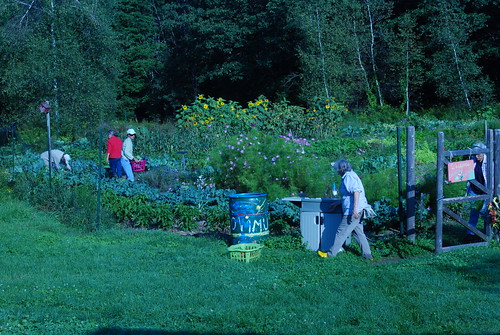
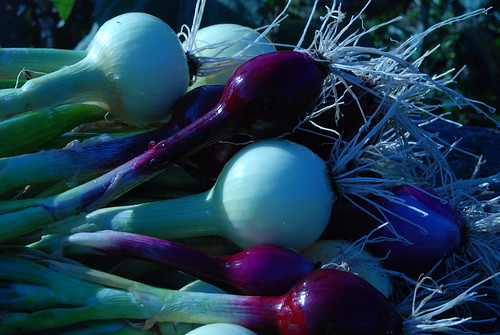
The often hard work of growing and maintaining a garden is tempered by working as a group. Two times a week, a group gathers here to harvest everything that is ripe and ready. Amid conversation and new connections, we gather food which is shared with neighbors and community members who wouldn't have access to such fresh and delicious plants which travel a fast, short distance to food pantry or front porch, ready to be eaten.

DSC_0040

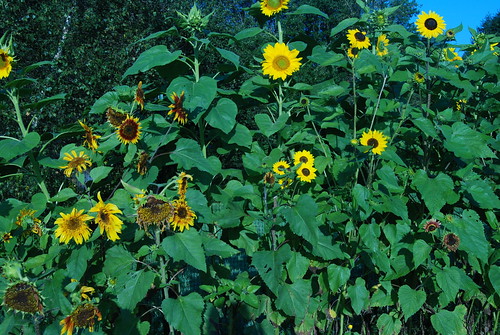
Its hard not to admire the beauty and bounty and to really appreciate the community that comes together to make it happen.

DSC_0046

DSC_0038

DSC_0044

DSC_0054

The light! The color! The soft soil under my feet, the potential for fabulous tastes and full bellies, these things bring me to the garden.